Mount Kilimanjaro
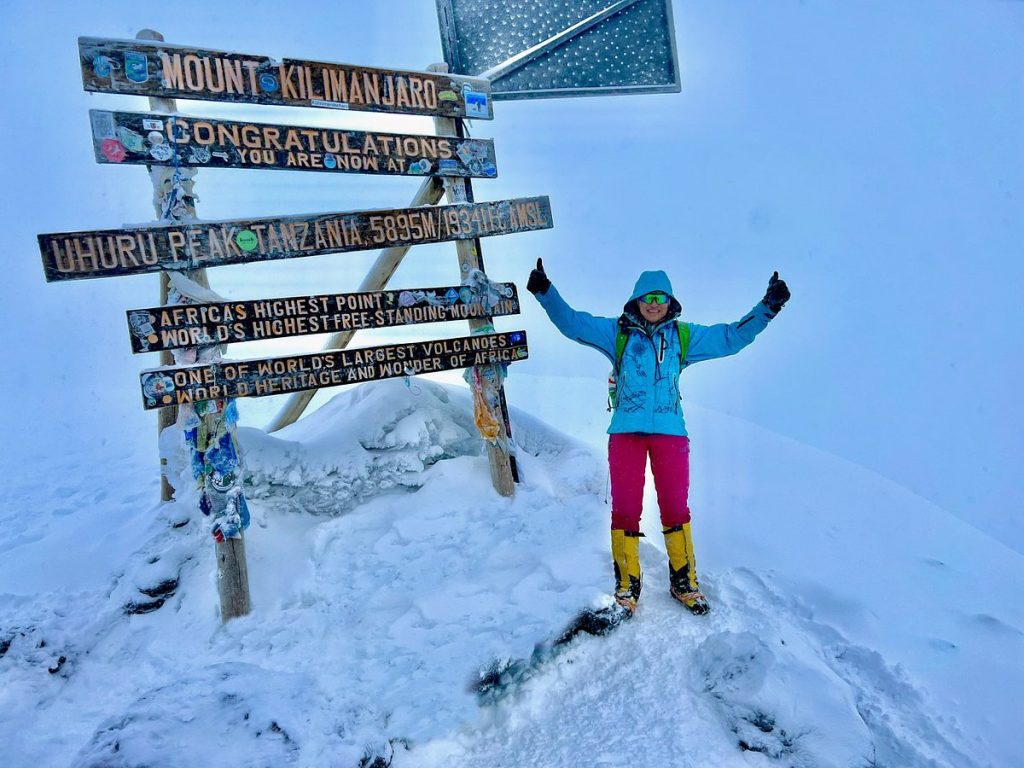
Mount Kilimanjaro, Tanzania Discover Zanzibar Island, Tanzania—white-sand beaches, Stone Town, spice farms, marine adventures and unforgettable Zanzibar beach holidays. Plan Your Safari Climb Africa’s Highest Mountain Mount Kilimanjaro, Tanzania Standing at 5,895 metres (19,341 feet) above sea level, Mount Kilimanjaro is Africa’s highest mountain and one of the world’s most remarkable natural landmarks. Rising dramatically above the plains of northern Tanzania, Kilimanjaro offers an unforgettable trekking experience through changing landscapes, from lush rainforest and moorland to alpine desert and the icy summit of Uhuru Peak. Whether you are an experienced trekker or preparing for your first high-altitude adventure, climbing Mount Kilimanjaro is a journey of endurance, breathtaking scenery and personal achievement. We organize carefully planned Mount Kilimanjaro climbing adventures with experienced mountain guides, reliable support crews and itineraries designed around your route, schedule and trekking goals. Why Climb Mount Kilimanjaro? Mount Kilimanjaro is more than a mountain. It is a journey through several distinct ecological zones, each offering a completely different environment and atmosphere. The mountain rises from the surrounding savannah to its volcanic summit, with three major volcanic cones—Kibo, Mawenzi and Shira. Uhuru Peak, located on Kibo, is the highest point at 5,895 metres. A Kilimanjaro trek allows you to experience: Africa’s highest mountain Dramatic volcanic landscapes Tropical montane rainforest Moorland and giant heather Alpine desert Glacial summit landscapes Sunrise from Uhuru Peak Local Tanzanian communities and culture Professional mountain-guiding support A rewarding non-technical high-altitude trekking experience Destinations to Inspire Kilimanjaro Climbing Routes Machame Route The Machame Route approaches Kilimanjaro from the south and is known for its varied scenery and camping experience. Trekkers pass through rainforest, moorland, high-altitude landscapes and the dramatic Barranco area before continuing toward Barafu Camp and the summit. Typical duration: 6–7 daysAccommodation: Mountain campsBest for: Trekkers looking for scenic landscapes and a classic camping route. Lemosho Route The Lemosho Route begins on the western side of Kilimanjaro and crosses the spectacular Shira Plateau before joining the southern circuit. Its longer itineraries provide additional time on the mountain, making it an attractive option for travellers who want a gradual trekking experience with diverse scenery. Typical duration: 7–8 daysAccommodation: Mountain campsBest for: Trekkers seeking a longer western approach and varied landscapes. Marangu Route Known for its mountain huts, the Marangu Route approaches Kilimanjaro from the southeast. Unlike routes that use tents throughout the climb, Marangu offers overnight accommodation in mountain huts. It follows the same general trail for ascent and descent. Typical duration: 5–6 daysAccommodation: Mountain hutsBest for: Trekkers who prefer hut accommodation. Rongai Route The Rongai Route approaches Kilimanjaro from the northern side near the Tanzania–Kenya border. It provides a different perspective of the mountain and is known for its quieter northern approach. The northern side of Kilimanjaro generally receives less rainfall than some southern approaches, giving this route a distinctive landscape and trekking atmosphere. Typical duration: 6–7 daysAccommodation: Mountain campsBest for: Travellers looking for a quieter northern approach. Northern Circuit Route The Northern Circuit is the longest established route around Kilimanjaro. It traverses the northern slopes before joining the summit approach. Its longer itinerary allows trekkers to spend more time on the mountain and experience extensive views from different sides of Kilimanjaro. Typical duration: 8–9 daysAccommodation: Mountain campsBest for: Trekkers with more time who want a longer mountain experience. Umbwe Route The Umbwe Route takes a more direct and steep approach toward the upper mountain before joining the southern circuit. Because of its steep profile and relatively rapid ascent, it is generally more appropriate for experienced trekkers who understand the demands of high-altitude trekking. Typical duration: 6–7 daysAccommodation: Mountain campsBest for: Experienced trekkers seeking a more demanding route. When Is the Best Time to Climb Kilimanjaro? Kilimanjaro can be climbed throughout much of the year, but weather conditions vary considerably by season. The commonly preferred trekking periods are generally the drier months, when mountain conditions are often more favourable for trekking. January–February Generally popular months for climbing, with relatively favourable conditions and clear mountain views possible. March–May This period includes Tanzania’s main rainy season. Mountain conditions can be wetter, particularly on the lower slopes. June–October A popular trekking period with generally drier conditions and good opportunities for climbing. November–December Short rains can occur, although climbing remains possible depending on weather conditions. The ideal month can depend on your preferred route, available time, tolerance for weather conditions and overall trekking plans. Uhuru Peak — The Roof of Africa The ultimate objective for most climbers is Uhuru Peak, the highest point on Mount Kilimanjaro at 5,895 metres. Summit day usually begins during the night, with trekkers walking toward the crater rim before continuing toward Uhuru Peak. Reaching the summit at sunrise can provide spectacular views across the mountain and surrounding Tanzanian landscape. Standing at the summit after days of trekking is a moment many travellers remember for the rest of their lives. Start Planning Your Kilimanjaro Climb