Ngorongoro Conservation Area – Tanzania

Discover the extraordinary Ngorongoro Conservation Area, one of Tanzania’s most remarkable landscapes where wildlife, volcanic scenery, Maasai culture and ancient human history come together.

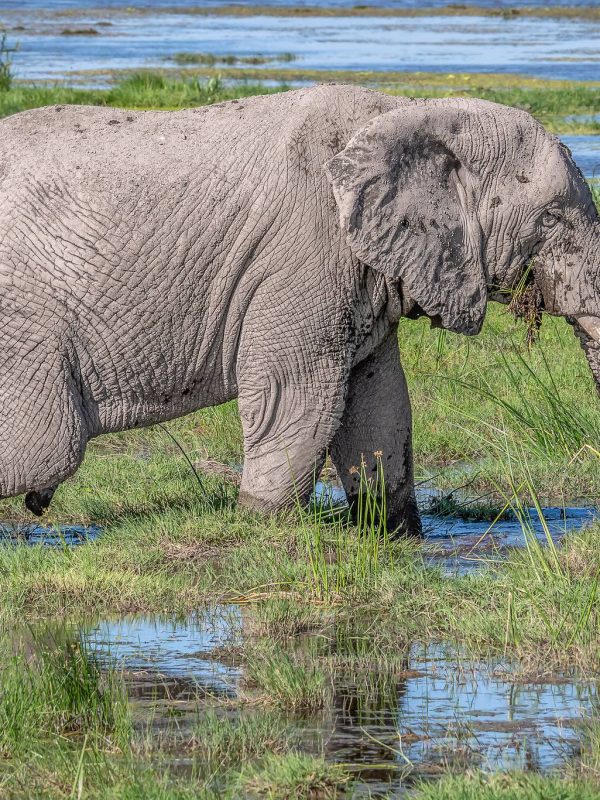
Elephant  (Loxodonta africana) in Amboseli National Park, Kenya. Conservation Status: Vulnerable

Welcome to Ngorongoro Conservation Area

The Ngorongoro Conservation Area is located in the northern part of Tanzania and is known for its stunning landscapes and rich biodiversity. It is a UNESCO World Heritage Site and one of the most unique conservation areas in the world. The area is primarily famous for the Ngorongoro Crater, a massive volcanic caldera that is often referred to as the “Eighth Wonder of the World.”

The Ngorongoro Crater is the largest unbroken caldera in the world and was formed millions of years ago after a massive volcanic eruption. This natural wonder is a haven for wildlife and boasts a diverse range of animals living within its lush walls. The crater floor is home to an incredible variety of species, including lions, elephants, buffaloes, zebras, and flamingos. Its high walls provide a natural barrier that keeps the animals within the crater, creating an almost self-contained ecosystem.

Explore with Tribesmen Adventures

Ngorongoro Conservation Area is one of the most famous wildlife reserves in the world, located in northern Tanzania. Covering approximately 8,292 square kilometers, it is part of the larger Ngorongoro ecosystem, which includes the Serengeti National Park, Maswa Game Reserve, and Kenya’s Maasai Mara National Reserve. The area is world-renowned for its diverse landscapes, abundant wildlife, and the breathtaking Ngorongoro Crater, the world’s largest intact volcanic caldera.

At Tribesmen Adventures, we offer tailor-made safari experiences that allow you to explore the wonders of Ngorongoro while enjoying comfort, adventure, and expert-guided tours.

Wildlife and Biodiversity

  • The Big Five: Lions, Leopards, Elephants, Buffalos, and Rhinos.
  • Diverse Wildlife: Ngorongoro is home to numerous herbivores, including wildebeests, zebras, gazelles, and hippos.
  • Predators: Including lions, cheetahs, leopards, hyenas, and wild dogs.
  • Birdlife: With over 500 bird species, Ngorongoro is a paradise for bird watchers.

With Tribesmen Adventures, you will have the chance to witness these incredible creatures up close while being guided by our knowledgeable safari experts.

The Great Wildebeest Migration

  • December – March: Calving season in the Ndutu area within the Ngorongoro Conservation Area.
  • April – May: Migration moves towards the western corridor.
  • June – July: The herds cross the Grumeti River, facing crocodile attacks.
  • August – October: The famous Mara River crossing.
  • November: The migration returns south to Ngorongoro.

With Tribesmen Adventures, you can experience this natural spectacle through customized safari packages designed to take you to the best migration hotspots at the right time of the year.

Major Attractions in Ngorongoro

  • Ngorongoro Crater: A UNESCO World Heritage Site and a haven for wildlife.
  • Ndutu Plains: The best place to see the calving season of wildebeests (January–March).
  • Empakaai Crater: Stunning scenery with a deep alkaline lake.
  • Olmoti Crater: A scenic crater with waterfalls and lush vegetation.
  • Olduvai Gorge: A famous archaeological site known as the “Cradle of Mankind.”

Best Time to Visit

  • June – October: Best for wildlife viewing and dry-season safaris.
  • January – March: Best time for calving season and predator action.
  • April – May: Low season with fewer tourists and lush landscapes.

No matter the season, Tribesmen Adventures offers expertly guided safaris to maximize your Ngorongoro experience.

Scroll to Top